
Why Dental IT Maintenance Should Include Software Updates and Security Patches
Dental practices rely heavily on technology every day. From digital imaging systems and patient management software to cloud backups and scheduling platforms, nearly every part of a practice depends on reliable IT systems. Yet many clinics focus only on fixing problems when they occur, rather than proactively maintaining their systems.
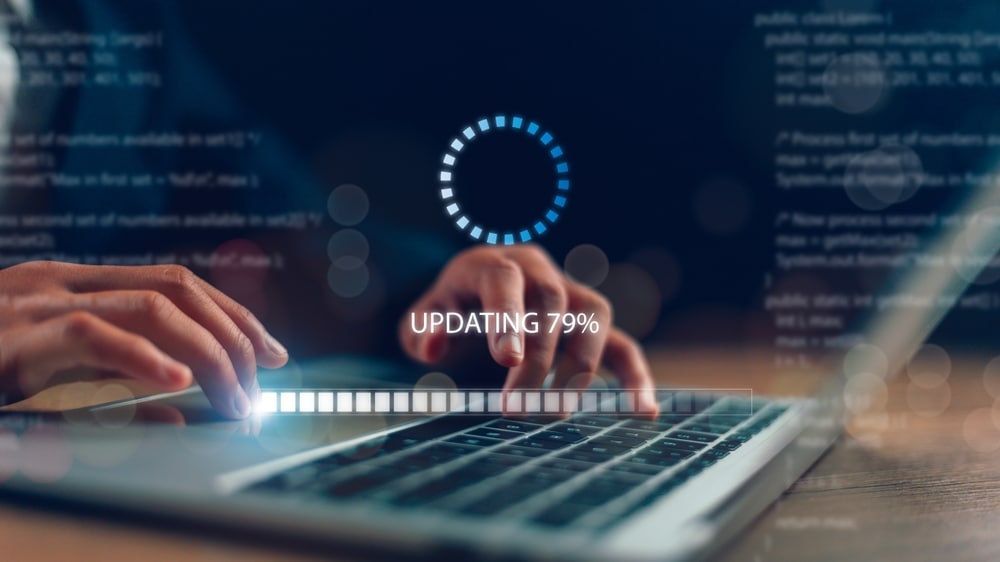
This is where dental IT maintenance becomes essential. One of the most overlooked aspects of maintenance is keeping software, operating systems, and imaging platforms up to date with the latest versions and security patches. Without these updates, practices risk performance issues, security vulnerabilities, and costly downtime.
Below is a closer look at why software updates should be a core part of every dental practice’s IT strategy.
Preventing Software Compatibility Issues
Dental practices often run multiple systems simultaneously. Practice management software, digital imaging tools, billing platforms, and patient communication systems all need to work together smoothly.
When software is not updated regularly, compatibility problems can appear. For example, a new imaging device might not integrate properly with outdated software. Operating system updates can also break older programs that have not been patched.
Regular updates through proper dental IT maintenance ensure that all systems stay compatible. This prevents situations where staff cannot access patient records, imaging files fail to load, or appointment software stops syncing with other tools.
Maintaining compatibility keeps workflows smooth and helps dental teams avoid unnecessary interruptions during patient care.
Strengthening Cybersecurity Protection
Healthcare practices are frequent targets for cyberattacks because they store sensitive patient information. Dental clinics are no exception. Patient records, insurance details, and billing data are valuable to cybercriminals.
Security patches are released by software vendors specifically to fix vulnerabilities that hackers may exploit. When these patches are ignored, systems become easy entry points for ransomware and data breaches.
A structured dental IT maintenance plan ensures security patches are installed promptly across all systems, including operating systems, dental software, servers, and workstations.
Many clinics now rely on managed dental IT services to automatically monitor updates. These services track new vulnerabilities and apply patches quickly, reducing the risk of unauthorized access or system compromise.
Improving System Performance
Outdated software does not just create security risks. It can also slow down daily operations.
Over time, software developers release updates that improve speed, fix bugs, and optimize performance. Without these improvements, systems may run slower, freeze unexpectedly, or crash during important tasks.
In a busy dental practice, even small delays can disrupt productivity. Staff may spend extra time waiting for imaging files to load or struggle with slow patient management systems.
Regular updates through professional dental IT solutions keep systems running efficiently. Faster software means smoother workflows, shorter wait times, and better experiences for both staff and patients.
Supporting New Technology and Equipment
Dental technology continues to evolve. Modern practices often upgrade to new imaging equipment, scanners, cloud-based management platforms, or patient communication tools.
However, older software may not support these newer technologies. Without updates, practices may find that new devices cannot connect to their network or integrate with existing software.
A proactive dental IT maintenance approach ensures that systems remain compatible with emerging technology. This allows practices to adopt new tools without needing costly emergency upgrades or full system replacements.
Reliable dental IT solutions make it easier to scale technology as a practice grows.
Reducing Downtime and Emergency Repairs
Many IT emergencies occur because systems have been neglected for too long. Outdated software can cause unexpected failures, corrupted data, or system crashes.
When these problems occur during clinic hours, patient care can be disrupted. Appointments may need to be delayed, rescheduled, or canceled entirely.
Preventive maintenance significantly reduces these risks. By installing updates and patches regularly, potential issues are determined and resolved before they cause disruptions.
Practices that partner with providers offering managed dental IT services benefit from continuous monitoring. These services can detect system issues early and apply updates during off-hours to avoid interrupting daily operations.
Ensuring Regulatory Compliance
Dental practices must follow strict regulations when handling patient information. Compliance requirements often include maintaining secure systems and protecting electronic health records.
Running outdated or unsupported software can create compliance risks. If a system becomes vulnerable to breaches due to missing security updates, a practice could face legal and financial consequences.
Routine dental IT maintenance helps ensure that all systems meet current security standards. Updated software demonstrates that the practice is taking reasonable steps to protect patient data and maintain a secure infrastructure.
Many providers of managed dental IT services also help clinics document updates and security procedures, which can be useful during audits or compliance reviews.
Making IT Maintenance Part of Everyday Operations
For many dental practices, IT maintenance only happens when something goes wrong. This reactive strategy often leads to higher costs, lost productivity, and unnecessary stress for staff.
A better strategy is to treat technology maintenance as an ongoing part of practice operations. Regular updates, security patch management, and system monitoring help prevent problems before they appear.
Reliable dental IT solutions make this process simple. With managed dental IT services, practices can automate updates, monitor system health, and ensure their technology remains secure and efficient.
Modern dental practices are built on a foundation of technology, but they require consistent care to remain reliable. Ignoring software updates and security patches can lead to compatibility issues, performance slowdowns, cybersecurity threats, and costly downtime.
By prioritizing routine dental IT maintenance, practices can keep their systems secure, efficient, and ready to support patient care. Investing in proactive dental IT solutions and partnering with trusted managed dental IT services providers ensures that software, operating systems, and dental technologies continue to perform at their best.
In the long run, staying updated is not just about technology. It is about protecting patient information, maintaining smooth workflows, and supporting the practice’s overall success.