
Dental IT Support and Why September Reveals Everything That’s Been Ignored
September does not necessarily create new technology problems in a dental office. More often, it exposes the small, unresolved issues that accumulated during the summer.
Vacation schedules, lighter appointment periods, temporary staffing changes, and postponed upgrades can allow technical weaknesses to remain unnoticed. When the entire team returns and patient volume increases, those weaknesses are tested simultaneously. A workstation that occasionally freezes, a scanner that disconnects, or a slow practice management system can suddenly affect several appointments in one day.
September becomes an unofficial stress test—and effective dental IT support can help practices identify what that test is revealing.
The Problem Is Often Accumulated Friction
Not every technology issue causes an obvious outage. Many create “operational friction”: small disruptions that employees repeatedly work around.
Staff may restart a computer before opening the schedule, move to another operatory when imaging software fails, share a login because an employee account was never created, or delay uploading files when the network slows down. Individually, these actions may take only a few minutes. Repeated across multiple employees and appointments, however, they can consume hours of productive time.
These workarounds may also conceal the true condition of the office’s technology. If employees have adapted to recurring problems, those problems may no longer be formally reported. A September technology review should therefore examine not only what has stopped working, but also what the team has quietly learned to tolerate.
Returning Volume Exposes Capacity Problems
A dental office’s technology may appear reliable when fewer people are using it. Once hygienists, dentists, administrators, and treatment coordinators return to their regular schedules, demand increases across the network.
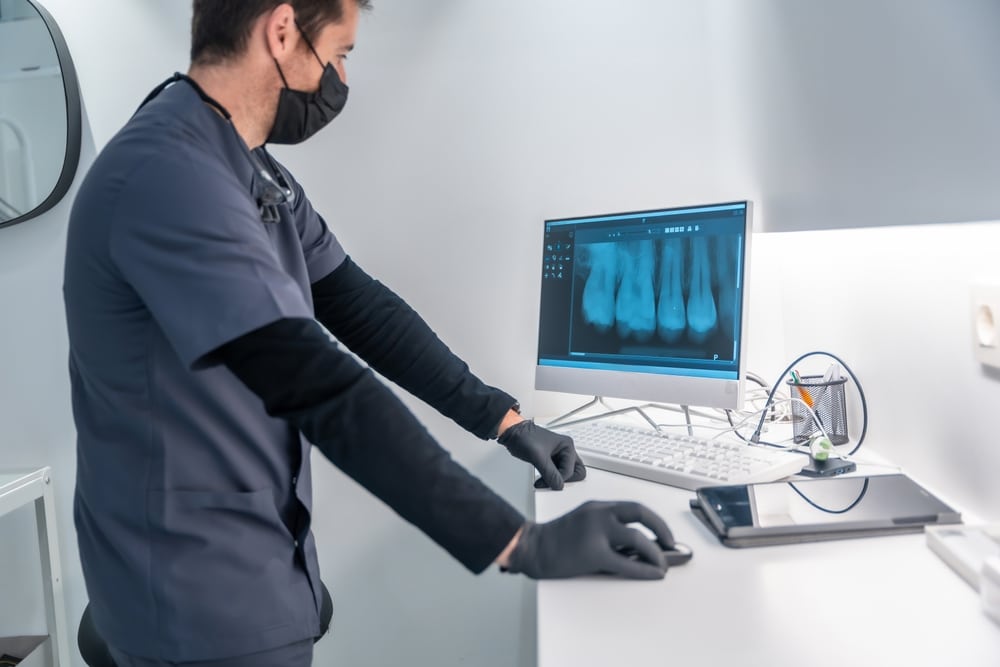
More devices connect at once. Larger imaging files move between operatories. Staff access cloud platforms, insurance portals, email, and practice management software concurrently. Printers, digital sensors, intraoral cameras, and payment systems are placed under heavier daily demand.
This can reveal network bottlenecks, aging workstations, insufficient storage, unstable wireless coverage, or software integrations that no longer communicate consistently. What looks like an isolated slow computer may actually be a broader infrastructure issue requiring coordinated dental IT services.
Summer Staffing Changes Can Leave Access Gaps
Seasonal staffing changes can also create overlooked cybersecurity concerns. Temporary employees may have received system access that was never removed. Returning team members may be using outdated passwords, while new employees may have permissions that are broader than their roles require.
September is a practical time to review user accounts, administrative privileges, remote access, and shared credentials. Every active account should belong to a current user, and access should reflect that individual’s responsibilities.
This type of review is not merely administrative cleanup. Forgotten accounts and excessive permissions can create avoidable openings within a dental office’s security environment.
Backups Need to Be Tested, Not Merely Assumed
A backup notification can indicate that a process ran, but it does not automatically confirm that every required file was captured or that the information can be restored successfully.
Reliable dental IT maintenance includes examining backup coverage, reviewing failure alerts, confirming retention settings, and periodically testing restoration. Dental offices should know which systems are protected, where backup copies are stored, how frequently they are created, and approximately how long recovery could take.
September’s heavier schedule makes this especially important. The wrong time to discover an incomplete backup is after hardware failure, accidental deletion, ransomware, or database corruption.
Deferred Updates Begin Colliding With Daily Operations
Software updates are often postponed because no one wants to interrupt patient care. Over time, however, operating systems, practice management platforms, imaging applications, security tools, and connected devices may fall out of alignment.
One outdated component can interfere with another. A browser update may affect a portal. An aging workstation may struggle with newer imaging software. An unsupported operating system may no longer receive critical security improvements.
Rather than updating everything without a plan, dental technology management should consider compatibility, backups, vendor requirements, scheduling, and rollback options. Controlled maintenance reduces the risk of an unexpected change disrupting a full clinical day.
Turn September’s Warning Signs Into an IT Plan
Recurring login problems, slow imaging, dropped connections, delayed printing, missed backup alerts, and frequent restarts are not simply seasonal inconveniences. They are measurable signs of where the practice’s technology may be losing reliability.
Priority Networks provides specialized dental IT support for dental offices. A dental IT assessment can help uncover overlooked vulnerabilities, recurring workflow disruptions, aging equipment, and maintenance gaps before they develop into larger operational problems.
September may reveal what summer allowed the office to ignore—but the right dental IT services can turn those discoveries into a clearer, more dependable technology plan.