
Dental Cloud Backup and Why Summer Is Prime Time for Data Loss
Summer often feels like the calmest time of year for many dental practices. Appointment schedules shift around vacations, administrative staff rotate through time off, and routines become more flexible. While this seasonal slowdown can provide welcome breathing room, it also creates a hidden challenge that many practices never consider until it is too late.
Ironically, data loss is often not caused by a major cyberattack or catastrophic hardware failure. Instead, it develops quietly during periods when fewer people are paying attention. A backup that silently stops working, a storage limit that has been reached, or a failed synchronization can go unnoticed for weeks when oversight is reduced.
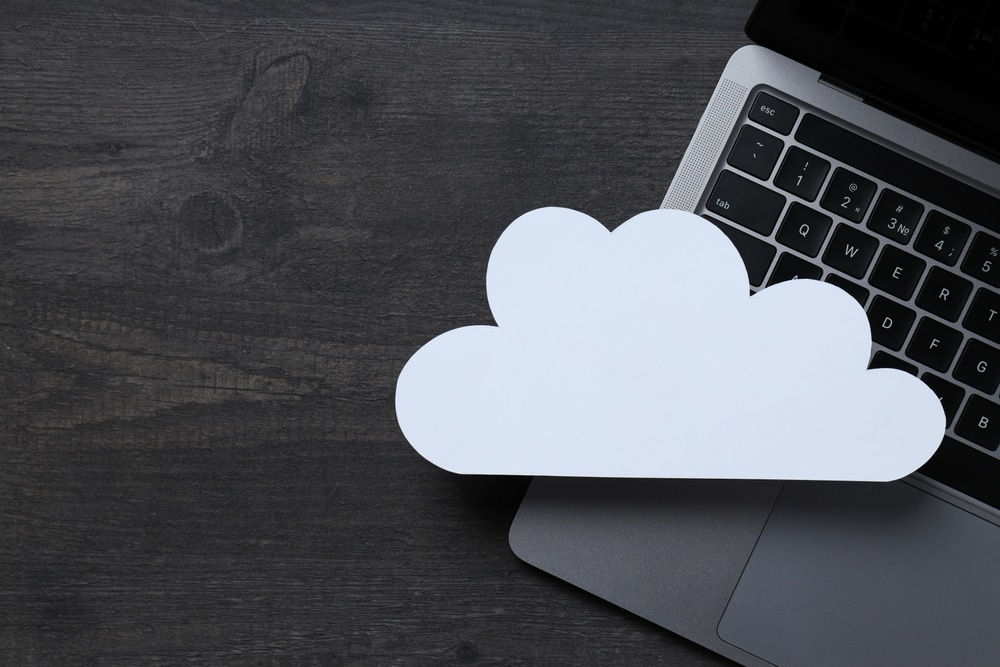
This is exactly why dental cloud backup deserves more attention during the summer months. Rather than viewing backups as a passive safety feature, practices should think of them as a living system that requires ongoing monitoring as part of comprehensive dental IT maintenance.
Summer Doesn’t Create Problems—It Reveals Them
Many offices assume that if nothing has gone wrong recently, everything must be functioning properly. Unfortunately, technology rarely works that way.
Backups can continue appearing “successful” while important information is no longer being protected correctly. For example:
- Backup jobs may only capture partial data.
- New imaging software may not be included in existing backup policies.
- Cloud storage quotas may have been exceeded.
- Backup alerts may be sent to employees who are currently on vacation.
- Software updates may interrupt scheduled backup routines without anyone noticing.
None of these situations create immediate disruptions, making them easy to overlook during quieter weeks.
Every Change Creates a New Backup Question
Dental practices evolve constantly.
Throughout the year, offices may add:
- New operatories
- Digital scanners
- Imaging equipment
- Practice management software updates
- Additional workstations
- Remote access capabilities
Each change introduces new data.
What many practices fail to ask is:
“Is this new information actually being backed up?”
One of the biggest misconceptions surrounding dental cloud backup is believing that once a backup system is installed, it automatically protects every future technology investment.
In reality, every technology change should trigger a review of the backup strategy as part of regular dental IT maintenance.
Data Loss Isn’t Always Dramatic
When people hear “data loss,” they often imagine ransomware or complete server failure.
More commonly, practices experience much smaller losses that slowly compound into significant operational headaches.
Examples include:
- Missing patient photos
- Lost digital radiographs
- Incomplete insurance documentation
- Missing appointment histories
- Corrupted treatment notes
- Inaccessible archived records
Each issue may involve only a small amount of information, but recovering it can consume valuable staff time while delaying patient care.
A reliable dental cloud backup strategy protects against both large-scale disasters and these quieter, everyday failures.
Vacation Coverage Should Include Technology
Most offices carefully plan staff coverage before employees leave for vacation.
Someone covers the reception desk.
Someone monitors treatment schedules.
Someone handles billing.
Technology, however, is often left without an owner.
If backup notifications, storage warnings, or system alerts are being sent to one person who is away for two weeks, small issues can grow into much larger ones before anyone notices.
Modern dental IT solutions remove this single point of failure by ensuring backup health is monitored consistently instead of relying on one busy team member to remember occasional system checks.
Recovery Matters More Than Backups
One overlooked reality is that having backups is only half the equation.
The more important question is:
Can the practice actually restore its information when needed?
Many organizations never test their recovery process until an emergency occurs.
That’s like discovering whether your fire extinguisher works after the fire has already started.
Routine verification should confirm:
- Files can be restored successfully.
- Patient databases remain intact.
- Images open correctly.
- Recovery times meet operational needs.
- Backup versions are complete and current.
Testing transforms backup from a hopeful assumption into a dependable business continuity strategy.
Summer Is the Ideal Time to Strengthen Protection
Instead of treating slower weeks as downtime, forward-thinking practices use them to evaluate the health of their technology environment.
Questions worth asking include:
- Are all systems included in our backup plan?
- Have new software platforms been added recently?
- Who receives backup alerts?
- When was the last successful recovery test?
- Are we following a documented dental IT maintenance schedule?
Answering these questions before the busy fall season begins can prevent unexpected disruptions later in the year.
Technology Shouldn’t Depend on Good Luck
The greatest risk facing many practices isn’t a sophisticated cybercriminal.
It’s assuming everything is working simply because nothing appears to be wrong.
Effective dental cloud backup isn’t just about storing copies of files—it is about continuously confirming that patient information remains protected, recoverable, and available whenever it is needed. Combined with proactive dental IT solutions and consistent dental IT maintenance, a well-managed backup strategy helps practices reduce uncertainty while allowing teams to stay focused on patient care instead of unexpected technology emergencies.
Protect Your Practice Before Problems Go Unnoticed
Summer is the perfect opportunity to review the systems that quietly support your practice every day. Priority Networks provides proactive dental IT solutions, comprehensive dental IT maintenance, and dependable dental cloud backup strategies designed specifically for dental offices. Contact Priority Networks today to help ensure your data is protected, monitored, and ready for whatever comes next.