
Dental IT Solutions and the Hidden Cost of Layering New Tech on Old Systems
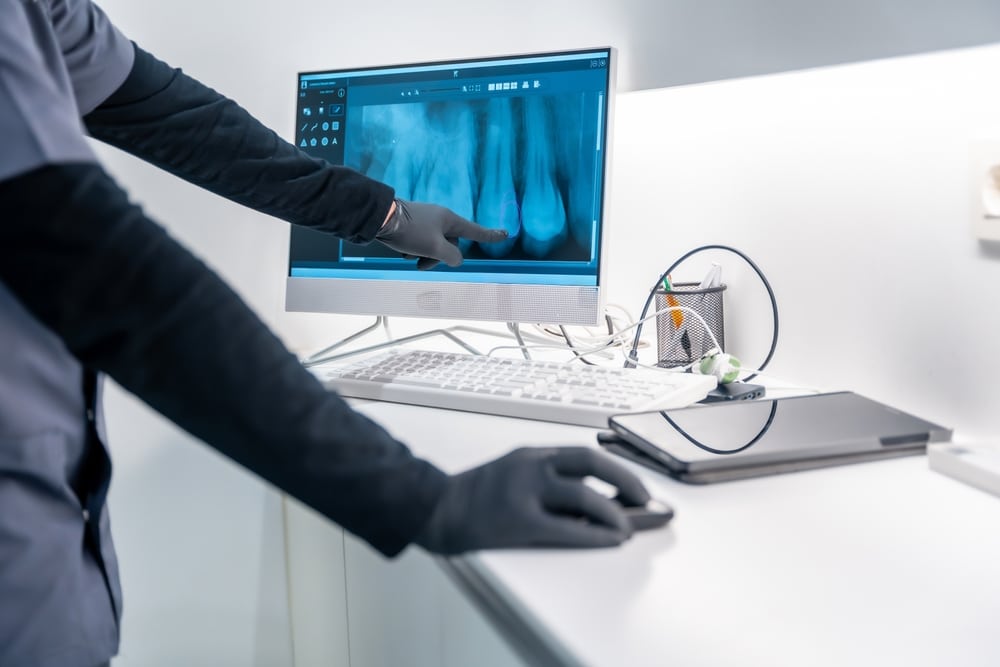
Walk into almost any dental office today, and you’ll see signs of modern care. Digital scanners, cloud-based imaging, patient communication tools, maybe even AI-driven diagnostics. On the surface, it looks cutting-edge.
Behind the scenes, though, many of these tools are sitting on top of aging infrastructure that was never designed to support them.
That mismatch is where problems begin.
Most practices don’t ignore technology. They invest in it piece by piece. A new scanner this year. Updated imaging software next year. Maybe a patient portal after that. Each decision makes sense on its own. But over time, those decisions stack up in ways that create friction instead of efficiency.
It’s not the new technology that causes issues. It’s what’s underneath it.
When “Good Enough” Infrastructure Stops Being Enough
Older networks, servers, and workstations often keep running long after their intended lifecycle. They still turn on. They still open files. So replacing them doesn’t feel urgent.
Until it is.
Modern dental tools are more demanding than those that came before. High-resolution imaging requires faster data transfer. Cloud-based platforms rely on a stable internet and secure configurations. Real-time syncing between operatories depends on consistent network performance.
When those tools are layered onto outdated systems, the result isn’t seamless integration. It’s instability.
You might notice it as:
- Imaging software that freezes mid-scan
- Delays when pulling up patient records
- Random disconnections between devices
- Backup failures that go unnoticed until it’s too late
Individually, these feel like small annoyances. Collectively, they slow down the entire practice.
The Real Risk: Silent Failures
The most dangerous issues aren’t the obvious ones. They’re the ones that quietly degrade performance over time.
For example, a scanner that takes a few extra seconds per patient doesn’t seem like a big deal. But across a full schedule, that delay compounds. Staff start adjusting workflows to compensate. Efficiency drops, but no one points to a single cause.
Or consider security. Older systems often lack proper updates, making them more vulnerable. Adding new software without addressing those gaps increases the attack surface. Everything appears to work until a breach or data loss forces the issue.
This is where many dental IT companies see practices struggle. Not because they lack technology, but because their technology isn’t working together in a stable, secure way.
Why Layering Feels Like the Right Move
It’s easy to understand why practices take this approach.
Upgrading infrastructure feels expensive and disruptive. Replacing servers, redesigning networks, or standardizing systems isn’t as tangible as buying a new scanner that improves patient experience right away.
Vendors also contribute to the problem. Each one focuses on their product. They’ll confirm compatibility in a general sense, but they’re not responsible for how that product interacts with everything else in your environment.
So decisions get made in isolation.
Over time, the system becomes a patchwork.
What a Stable Dental IT Environment Actually Looks Like
A well-structured IT environment doesn’t just support your current tools. It anticipates what you’ll need next.
That means:
- Network infrastructure that can handle high data loads without lag
- Standardized hardware that reduces compatibility issues
- Secure configurations that protect patient data without slowing access
- Reliable backup systems that are tested regularly, not assumed to work
- Clear visibility into performance, so problems are identified early
This is where professional dental IT services make a difference. Instead of reacting to issues, they design systems that prevent them.
The Shift From Reactive to Managed IT
Many practices operate in a reactive model. Something breaks, and they call for help. It gets fixed, and the cycle repeats.
Managed dental IT services take a different approach.
They look at the entire ecosystem, not just individual problems. They assess whether your current infrastructure can support your technology stack, and they identify gaps before they turn into downtime.
That might mean recommending upgrades. It might mean consolidating systems. It might mean reconfiguring your network so your tools actually perform the way they were designed to.
The goal isn’t more technology. It’s better alignment.
A Practical Way to Think About It
Imagine building an addition onto a house with an unstable foundation. The new space might look great, but over time, cracks start to appear. Doors don’t close properly. Floors shift.
The issue isn’t the addition. It’s what it was built on.
Dental technology works the same way.
You can keep adding new tools, but if the underlying structure isn’t solid, those tools won’t deliver their full value.
What Dental Practices Should Do Next
If your practice has added multiple systems over the years, it’s worth stepping back and asking a simple question:
Is your infrastructure supporting your technology, or just keeping up with it?
That’s not always easy to answer internally. It requires a full view of how your systems interact, where bottlenecks exist, and where risks are hiding.
This is where experienced dental IT companies provide real value. They don’t just install or fix. They evaluate, plan, and align your entire environment so everything works together.
Adding new tools isn’t the problem. Doing it without upgrading the foundation is.
Dental IT solutions should make your practice faster, more secure, and easier to manage. If they’re creating friction instead, the issue likely isn’t the software or hardware itself. It’s the system they’re running on.
The practices that get the most out of their technology aren’t the ones with the most tools. They’re the ones with the right structure behind them.
If your systems feel slower, less reliable, or harder to manage than they should, it may be time to stop layering and start rebuilding with intention.