
When Dental IT Network Support Fails: How Small Network Issues Disrupt an Entire Dental Office
Most dental practices depend on technology for nearly every step of daily operations. Patient records, digital imaging, insurance claims, scheduling, and communication tools all rely on the same internal network. When that network works properly, everything in the office flows smoothly.
The problem is that even a minor network issue can affect multiple systems at once. A failing switch, unstable connection, or overloaded server may seem minor at first, but it can quickly disrupt the entire practice.
This is why reliable dental IT network support is so important. Without proper monitoring and maintenance, small technical issues can turn into operational problems that affect both staff productivity and patient experience.
Below are seven common ways small network issues can disrupt a dental office, along with why strong dental IT services help prevent them.
1. Digital Imaging Delays
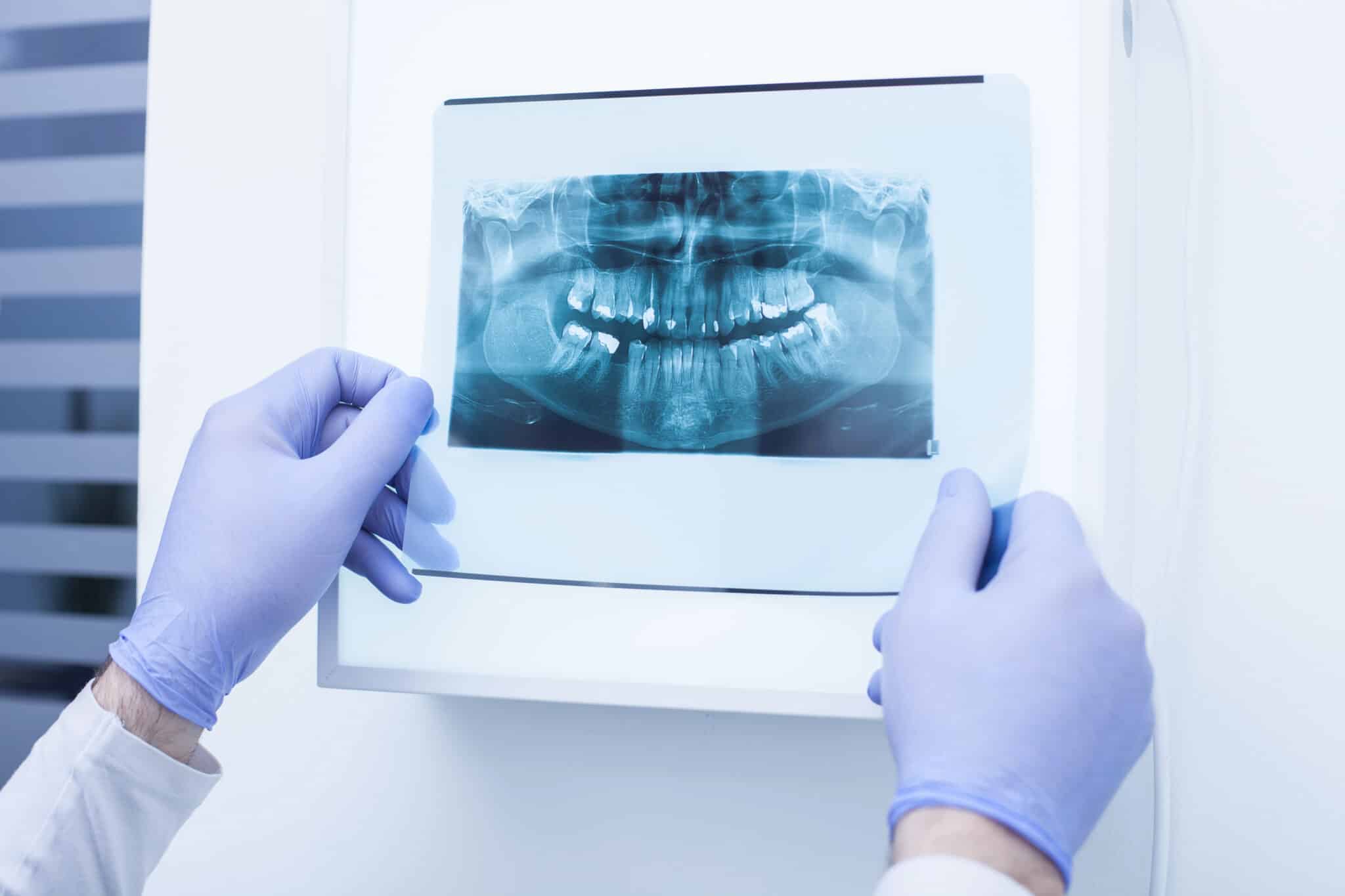
Digital imaging systems generate large files that constantly move across the office network. X-ray sensors, panoramic machines, and intraoral cameras all depend on fast and stable connectivity.
When the network slows down, images may take longer to appear on the screen or fail to upload to patient charts. In some cases, the imaging software may freeze or crash during file transfer.
This creates delays during patient appointments. Dentists often need immediate access to images for diagnosis and treatment planning. When images load slowly, procedures can take longer, and appointments begin to run behind schedule.
Effective dental IT network support ensures imaging systems are connected through properly configured networks with enough bandwidth to handle large file transfers without delays.
2. Slow Patient Record Access
Practice management software stores patient information, treatment plans, and clinical notes on servers that must communicate across the network.
If the network becomes unstable, staff may experience slow loading times when opening patient charts. Simple tasks like reviewing medical history or updating treatment notes can take much longer than expected.
These delays may seem small, but they add up throughout the day. Hygienists, assistants, and front desk staff all rely on quick access to patient information. When every record takes extra seconds to load, productivity drops, and patient appointments take longer.
Professional dental IT services optimize network performance, ensuring practice management systems remain responsive during busy office hours.
3. Insurance Claim Submission Failures
Electronic insurance claims are a routine part of dental office administration. Most practices submit claims through online clearinghouses that require stable internet and network connections.
If the network experiences interruptions, claims may fail to submit or take longer to process. Staff may need to retry submissions multiple times or delay claims until the connection stabilizes.
This can slow down billing workflows and delay reimbursements. In some cases, staff may not realize that claims failed until days later, creating additional administrative work.
Reliable dental IT solutions ensure stable connectivity to insurance platforms and help prevent interruptions that interfere with claims processing.
4. Appointment Scheduling Problems
Scheduling systems are accessed by multiple computers throughout the office. Front desk staff, treatment coordinators, and clinical team members often update schedules simultaneously.
Network instability can cause scheduling software to lag when loading appointment calendars or saving updates. Staff may struggle to move appointments, confirm patient bookings, or add new visits to the system.
These delays increase the risk of scheduling errors such as double bookings or missed updates. Over time, this can create confusion and disrupt the practice’s daily workflow.
With proper dental IT network support, scheduling platforms remain fast and reliable, allowing staff to manage appointments efficiently.
5. Payment Processing Interruptions
Most dental offices use network-connected payment terminals to process credit cards and digital payments. These systems require stable connections to complete transactions quickly.
When network performance drops, payment processing may slow down or fail entirely. Patients may need to wait while staff retry transactions or switch to alternative payment methods.
Even small delays at checkout can affect the patient experience. Long wait times at the front desk create frustration and reduce the overall efficiency of the office.
Strong dental IT services help maintain stable network connections so payment systems work consistently throughout the day.
6. Communication System Disruptions
Many dental offices rely on internet-based phone systems, messaging platforms, and appointment reminder tools. These communication systems depend on reliable network performance.
If the network slows down, calls may drop, voicemail systems may lag, or automated reminders may fail to send. Staff may also experience delays when sending internal messages or accessing patient communication tools.
These disruptions make it harder for the office to stay organized and responsive to patients. Missed calls or delayed reminders can also lead to more no-shows and scheduling gaps.
Modern dental IT solutions support reliable communication systems by maintaining strong network performance and monitoring connectivity issues.
7. Front Desk Bottlenecks
The front desk is where many systems come together at once. Staff often need to access patient records, verify insurance, process payments, and schedule follow-up appointments, all within a few minutes.
When the network slows down, every step of this process takes longer. Staff may need to wait for screens to load, retry system connections, or switch between applications to complete tasks.
This quickly creates bottlenecks in the reception area. Patients may wait longer to check in or out, and staff may feel overwhelmed during busy periods.
Reliable dental IT network support prevents these slowdowns by keeping network infrastructure stable and monitoring system performance continuously.
Why Proactive Dental IT Support Matters
Small network issues rarely stay small for long. Because so many systems rely on the same infrastructure, even minor problems can affect multiple areas of a dental practice.
That is why preventative monitoring and professional dental IT services are essential. IT teams can detect unusual network activity, failing hardware, or bandwidth problems before they disrupt the office.
By implementing reliable dental IT solutions, practices can reduce downtime, maintain efficient workflows, and ensure that technology supports patient care rather than slowing it down.
In a modern dental office, a stable network is not just a technical requirement. It is a key part of delivering consistent, high-quality service to every patient.