
Protecting Patient Trust: What Every Dentist Should Know About Cybersecurity
Dentists understand prevention. You sterilize instruments, wash your hands, wear gloves, and follow strict infection control protocols. Not because something bad happens every day, but because when it does, the consequences are serious.
Cybersecurity works the same way. It’s infection control for your computers, your patient records, and your money.
Most dental practices don’t think of themselves as targets. You’re not a hospital or a giant corporation. But that’s exactly why attackers like small healthcare offices. Dental practices store valuable patient data, process payments daily, and often rely on basic technology that hasn’t been updated or monitored closely.
The goal of cybersecurity isn’t to turn you into an IT expert. It’s to protect patient trust, keep your practice running, and avoid problems that are far more disruptive than a failed autoclave.
Patient trust now lives on your network
Patients trust you with more than their oral health. They trust you with names, addresses, insurance details, medical histories, and credit card numbers. That trust used to live in paper charts locked in a cabinet. Now it lives on servers, laptops, email systems, and cloud software.
When a data breach happens, patients don’t see it as a technical failure. They see it as a breakdown in care. Just like a lapse in infection control, it can quickly damage confidence and reputation.
This is where solid dental IT solutions matter. Not flashy tools, but systems designed to keep patient data secure without slowing down your staff.
Email is the new front door for attackers
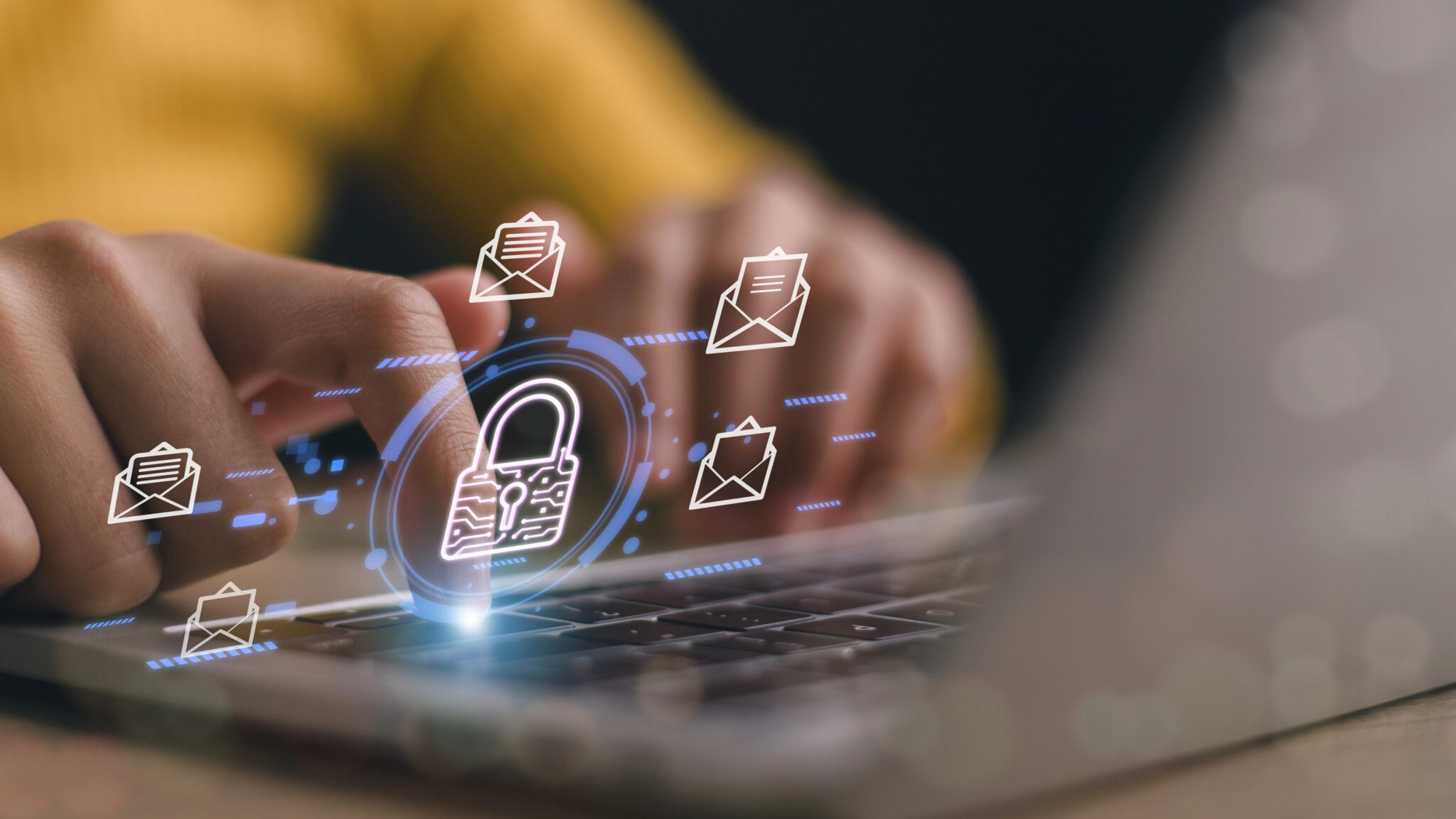
Most cyber incidents in dental offices start with email. A fake invoice. A message that appears to come from a supplier. A link that appears to be from your practice management software.
One click is often enough.
Staff aren’t careless. They’re busy. When an email looks routine, people act quickly. Attackers know this. That’s why modern dental IT support focuses heavily on email filtering, spam detection, and staff awareness.
Think of it like surface disinfection. You don’t clean only after a patient complains. You clean constantly because prevention is easier than repair.
Ransomware is the digital equivalent of a locked operatory
Ransomware doesn’t just steal data. It locks it. Schedules disappear. Digital X-rays won’t open. Charts become unreadable. Sometimes the entire system goes down in minutes.
Imagine arriving at work and being unable to access your operatories or instruments. That’s what ransomware feels like, except there’s no quick fix.
Practices with proper backups, monitoring, and managed dental IT services usually recover quickly. Practices without them may face days of downtime, lost revenue, and difficult decisions about whether to pay criminals to regain access.
Backups are like emergency kits. They don’t matter until they matter a lot.
Online payments need the same care as clinical procedures
Patients expect to pay online, tap cards, and receive digital invoices. These conveniences are good for business, but they also introduce risk.
Payment systems must meet security standards. Computers used for payments should be locked down and monitored. Updates matter here more than most people realize.
Using professional dental IT solutions helps ensure payment data is handled correctly and that your practice stays compliant. It’s not just about avoiding fines. It’s about avoiding the nightmare phone call that starts with, “Your patients’ credit card data may have been exposed.”
Your staff is part of your security system
No technology replaces people. Just like infection control depends on daily habits, cybersecurity depends on how your team works.
Short, regular training makes a difference. Knowing how to spot suspicious emails. Understanding why password sharing is risky. Being comfortable reporting mistakes quickly instead of hiding them.
Good dental IT support providers help with this. They don’t just install software and disappear. They help build habits that protect the practice over time.
Cybersecurity doesn’t have to be complicated
The biggest myth is that cybersecurity is complex, expensive, and overwhelming. In reality, the basics cover most risks.
Secure backups. Updated systems. Strong passwords. Email protection. Monitoring. A clear plan for what to do if something goes wrong.
Managed dental IT services bundle these essentials together. Instead of reacting to problems, they focus on preventing them, quietly in the background, while you focus on patients.
Think of it like having a reliable sterilization process. You don’t question it every day. You just trust it’s working.
A fresh way to think about cybersecurity
Cybersecurity isn’t about fear. It’s about professionalism.
Just as patients expect clean instruments and safe procedures, they now expect their information to be protected. They may never ask about your firewall or backups, but they assume you have them.
Protecting patient trust today means safeguarding data, communications, and payments with the same care you give to clinical work.
With the right dental IT solutions, dependable dental IT support, and well-managed dental IT services, cybersecurity becomes part of your standard of care.