

Dental Computer Cabling and Digital Imaging: Why Infrastructure Matters More Than Ever
Digital imaging has transformed the way dental practices diagnose and treat patients. Technologies such as CBCT scans, digital X-rays, and intraoral scanners provide detailed images in seconds, helping dentists make faster, more accurate decisions.
But there is something many practices overlook. These systems only work as well as the infrastructure behind them.
Without reliable dental computer cabling and a properly designed network, even the most advanced imaging equipment can slow down your workflow, delay patient care, and create daily frustration for your team.
The Rise of Data-Heavy Dental Imaging
Modern dental imaging systems generate very large files. A single CBCT scan can contain hundreds of high-resolution images. Intraoral scanners produce detailed 3D models that must be stored, transferred, and sometimes shared with labs or specialists.
Every time a scan is taken, that data moves across your network.
If your network was originally designed for simple office tasks like scheduling or email, it may struggle to keep up. This is where proper dental IT cabling becomes critical.
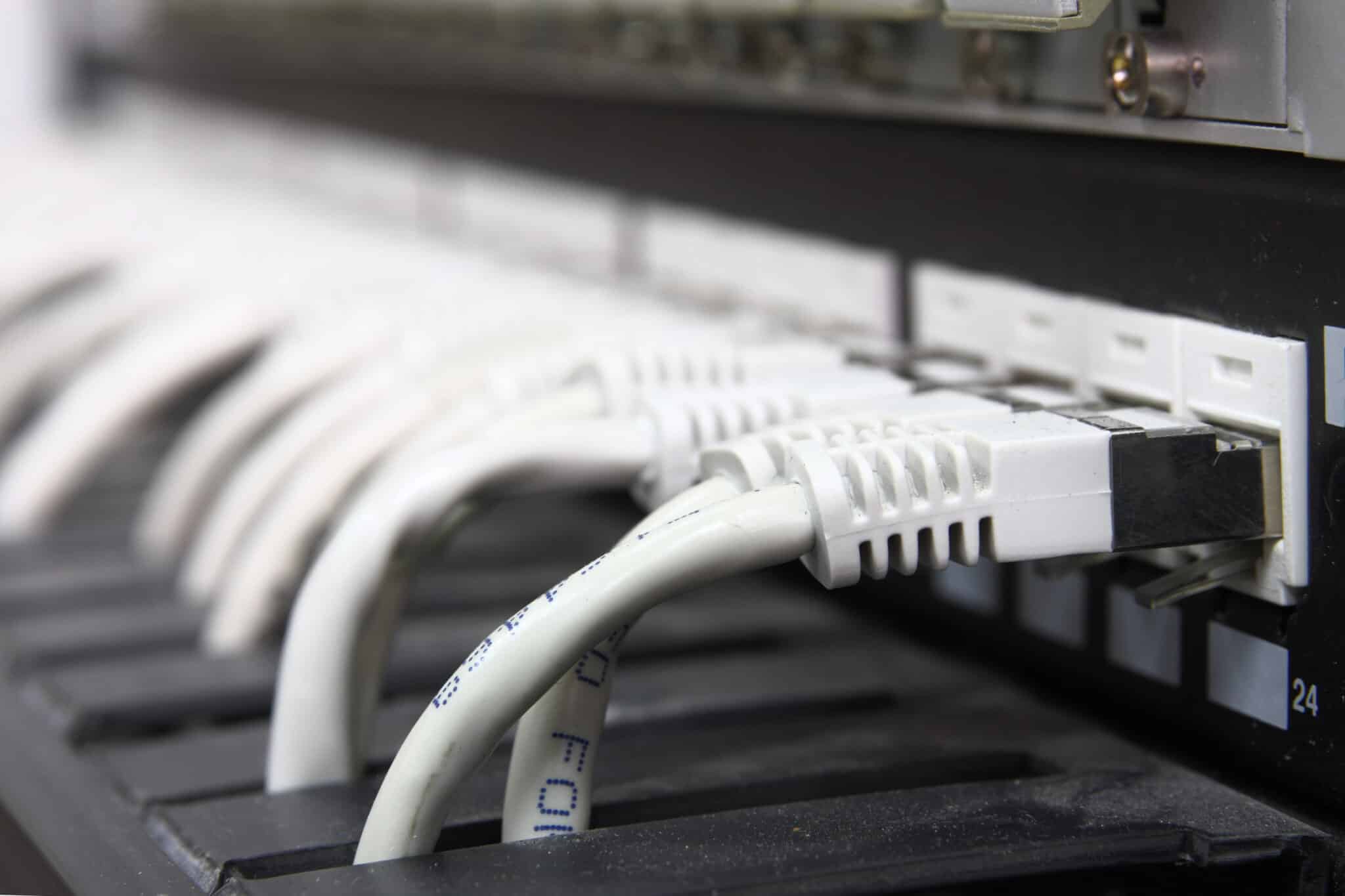
High-speed structured cabling ensures that large imaging files move quickly between workstations, servers, and storage systems. When the infrastructure is designed correctly, dentists can open scans instantly, assistants can access images without delays, and patient appointments move smoothly.
What Happens When Cabling Is Outdated
Many dental practices still rely on older cabling systems that were installed years ago. At the time, they worked fine because the data load was much smaller.
Today, those same systems can create serious performance problems.
Common issues caused by poor dental computer cabling include:
Slow image loading
Large scan files taking minutes instead of seconds to open can delay patient consultations.
System freezes or crashes
When networks struggle to handle data loads, imaging software can freeze or become unstable.
Interrupted workflows
Staff may have to wait for files to transfer between rooms, which slows down appointments.
Network congestion
Multiple imaging systems running at once can overwhelm weak infrastructure.
These problems do not just affect efficiency. They also impact patient experience. Long waits while images load or systems restart can make a practice feel disorganized and outdated.
Imaging Technology Requires High-Speed Infrastructure
Digital dentistry relies on constant data movement. CBCT machines, intraoral scanners, and digital X-ray sensors are constantly sending information to computers and servers.
For this to work smoothly, your network needs several key components:
High-quality dental IT cabling capable of handling large data transfers
Properly configured switches and network hardware
Reliable server or cloud storage systems
Secure connections that protect patient data
When these elements are designed together, imaging systems run faster and more reliably.
For example, a practice with modern dental computer cabling can often open large CBCT files in seconds rather than minutes. Dentists can review scans chairside without interrupting the appointment, which improves both efficiency and patient communication.
Cabling Also Supports Future Technology
Dental technology continues to evolve. New scanners produce higher-resolution images. AI-assisted diagnostics rely on faster data processing. Cloud-based imaging storage is becoming more common.
All of these advancements increase the amount of data moving through your network.
If your dental IT cabling is already struggling today, future upgrades may only make the problem worse.
Investing in proper infrastructure now helps ensure that your practice can adopt new technologies without constant network issues. A well-designed system also reduces the risk of needing expensive emergency upgrades later.
Security and Compliance Considerations
Dental imaging files are part of a patient’s medical record, which means they must be stored and transmitted securely.
Professional dental IT services help ensure that your infrastructure meets privacy and compliance requirements while maintaining high performance.
Secure network design includes:
Properly segmented networks
Encrypted data transmission
Reliable backups for imaging files
Controlled access to patient data
Without these safeguards, practices may face both technical risks and regulatory concerns.
Why Dental Practices Need Specialized IT Support
Not all IT providers understand the unique demands of dental technology.
Imaging systems, practice management software, digital sensors, and scanners all place different requirements on your network. General IT support may overlook these details, leading to ongoing performance issues.
Specialized dental IT services focus on the systems that dental practices use every day. Professionals in this field understand how imaging equipment communicates with computers, servers, and storage systems.
They can design and install dental computer cabling that supports high-speed imaging workflows while ensuring stability and security.
A Strong Network Keeps Your Practice Moving
Digital dentistry depends on speed and reliability. When imaging systems work seamlessly, dentists can focus on patient care instead of technical issues.
Upgrading your dental IT cabling and working with experienced dental IT services providers ensures that your infrastructure supports the technology your practice relies on.
The result is simple but important: faster imaging, smoother appointments, and a more efficient dental practice.
In today’s digital environment, strong dental computer cabling is not just a technical upgrade. It is a foundation for better patient care and long-term practice growth.